EN
EN SP
SP FR
FR
- Home
- About Us
- Products
- Service
- Project
- News
- Contact Us
Pulished on Sep. 21, 2023
Understand relevant regulations and standards: Before installing a Canada temporary fence, it is important to understand all relevant Canadian regulations and standards. These regulations and standards are often set by government agencies or industry associations to ensure safety and compliance in aspects such as fence design, materials and installation. Codes and standards to know may include building codes, occupational safety standards, fire codes, etc.
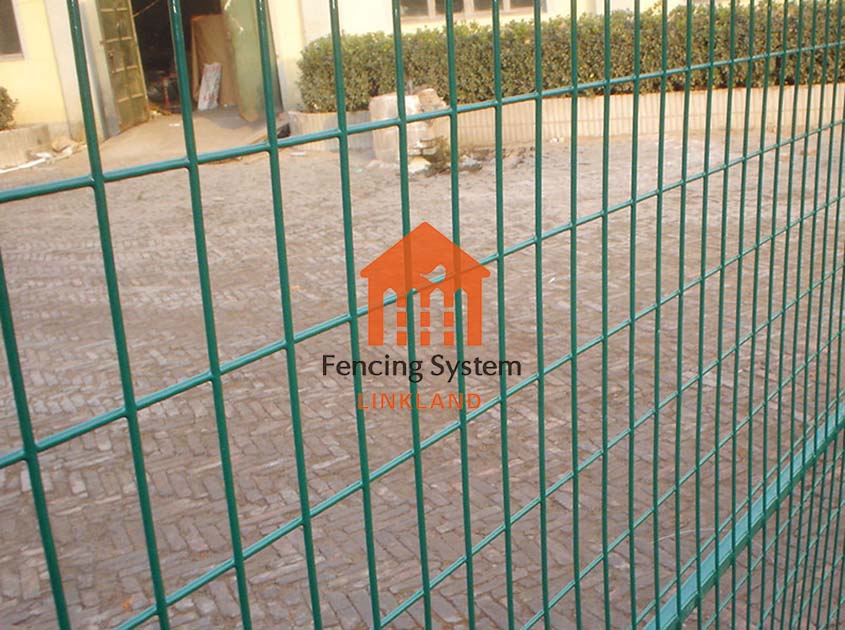
Choose the right materials and design: The materials and design of Canada temporary fence must meet Canadian safety standards. Some common materials include steel, aluminum alloy, etc., and factors such as wind resistance, earthquake resistance, and anti-collision need to be considered in design. In addition, factors such as the height, stability, and connection methods of the fence need to be considered to ensure that it provides appropriate protection.
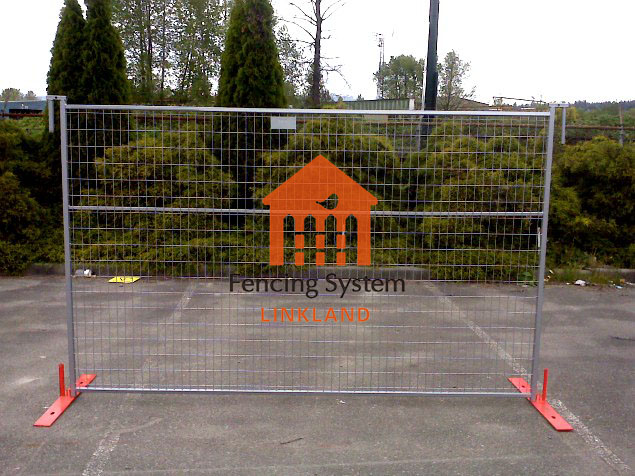
Follow Proper Installation Procedures: When installing a Canada temporary fence, proper procedures must be followed to ensure it meets safety standards. Some things to pay attention to include: ensuring the foundation is stable and reliable, using the correct connections and fixings, installing electrical equipment correctly, etc. Additionally, the installation process needs to be supervised and documented to ensure quality and safety.
Get Compliance Inspections: Canadian safety standards require that all Canada temporary fence must undergo compliance inspections. These inspections may be conducted by government agencies or third-party agencies to ensure that the fence meets relevant standards. Therefore, when installing Canada temporary fence, future inspections and audits need to be taken into account and ensuring the fencing is compliant and safe.
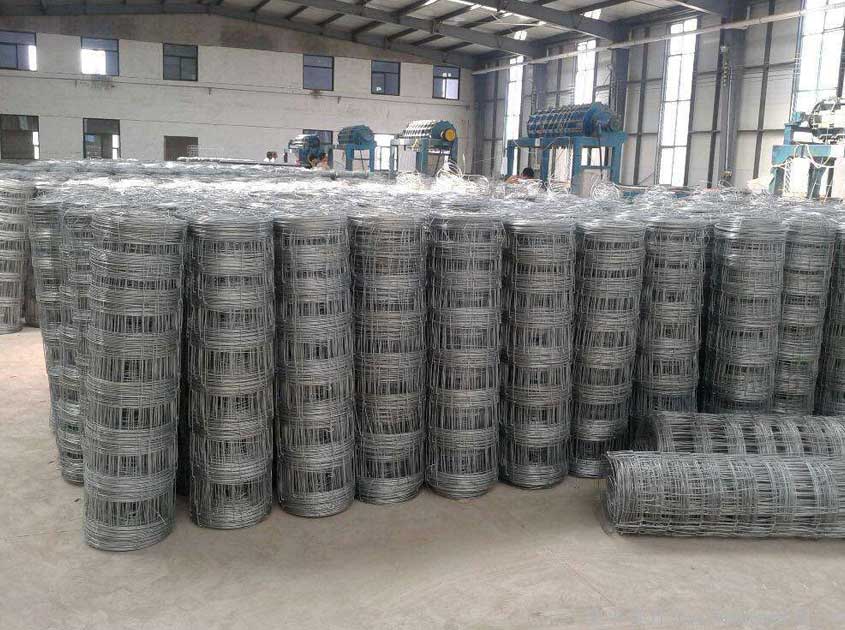
How to Choose Farm Fence for Cattle and Horses: Wire, Height and Design Guide
Pulished on Sep. 23, 2026
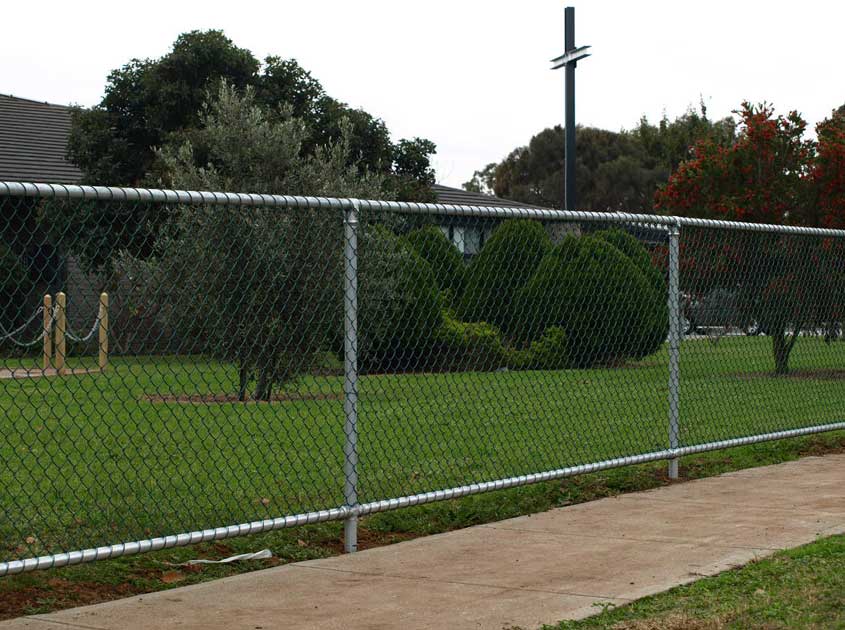
How Is Chain Link Fence Made? Manufacturing Process and Components
Pulished on Sep. 18, 2026
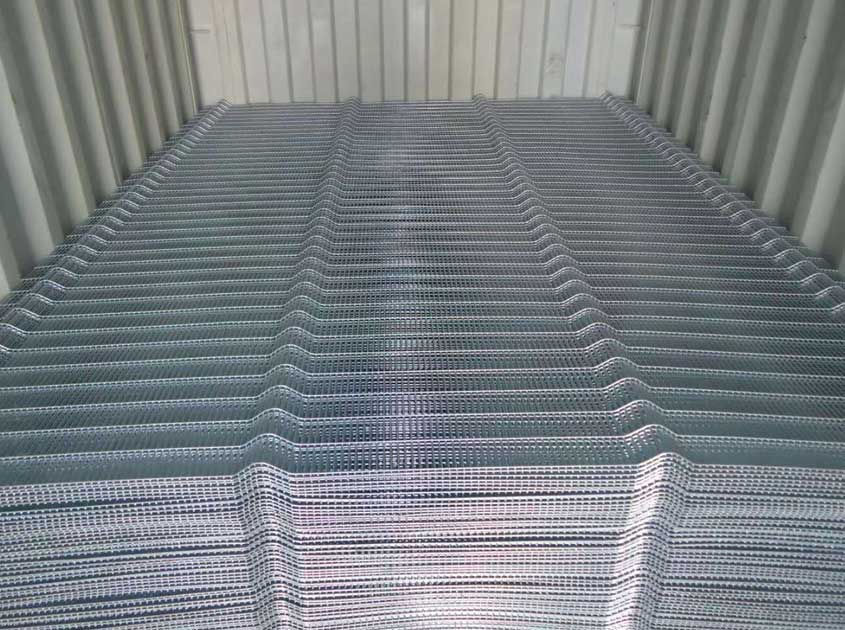
358 Security Fence vs Chain Link Fence: Security, Cost and Application Comparison
Pulished on Sep. 15, 2026
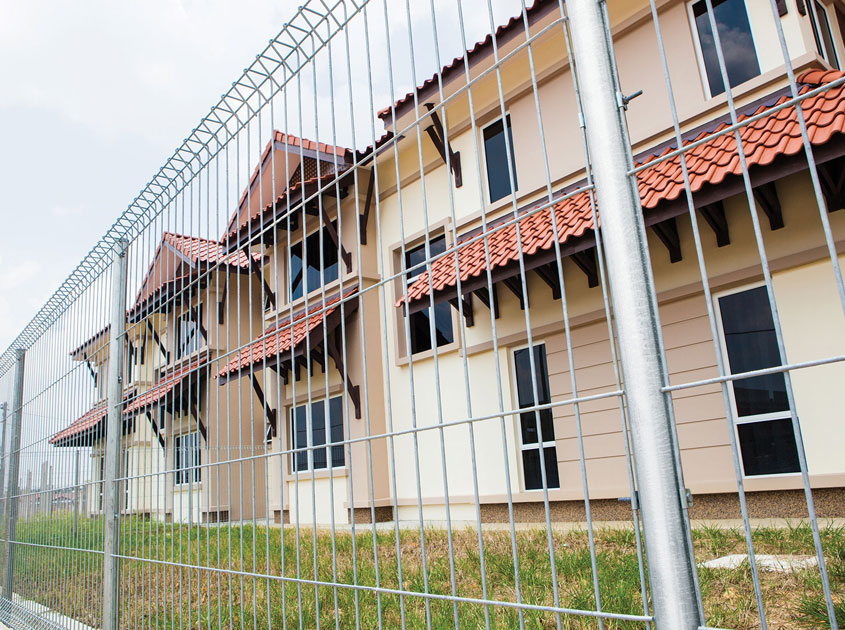
Why Choose Welded Wire Fence for Security and Protection?
Pulished on Sep. 07, 2026
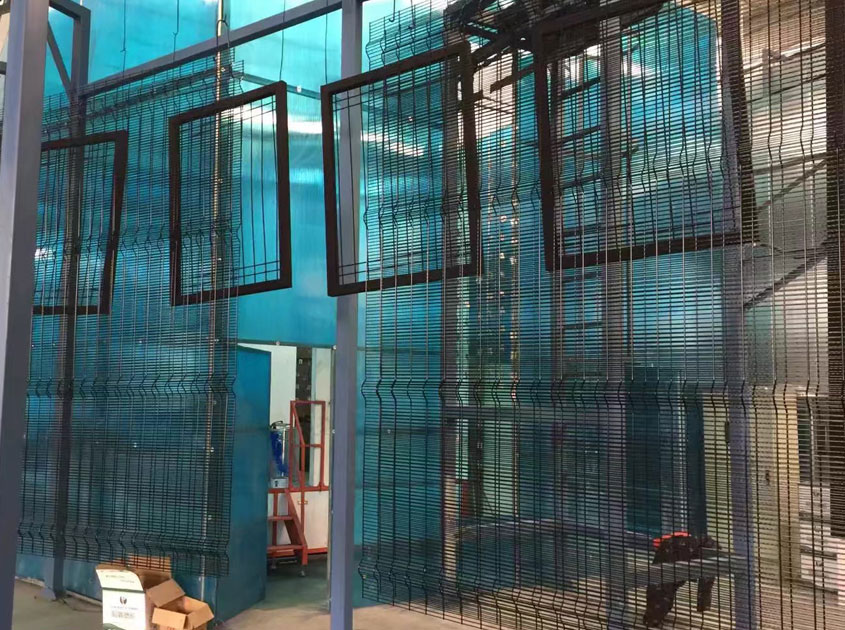
358 Security Fence Specifications and Applications Guide
Pulished on Aug. 27, 2026
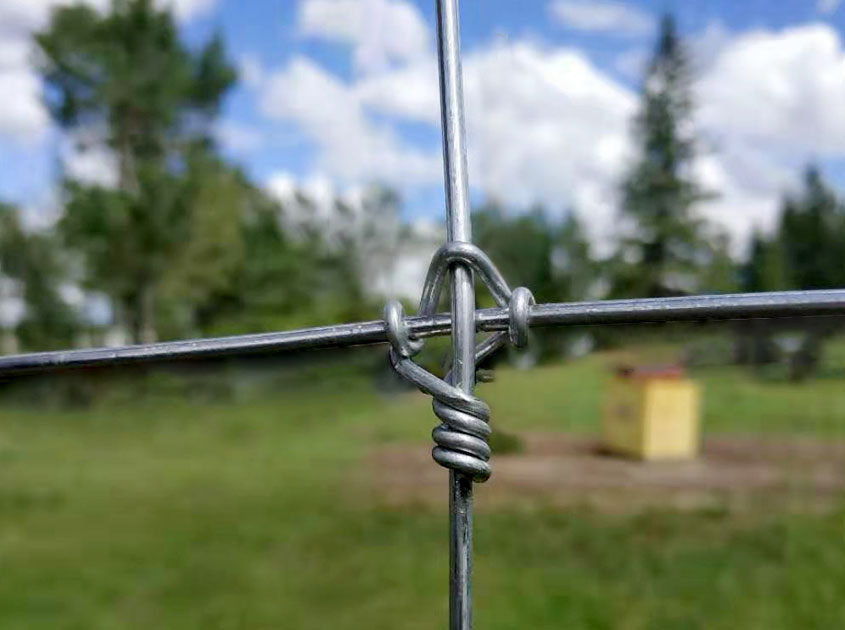
What Is Farm Fence and What Are the Main Types?
Pulished on Aug. 26, 2026
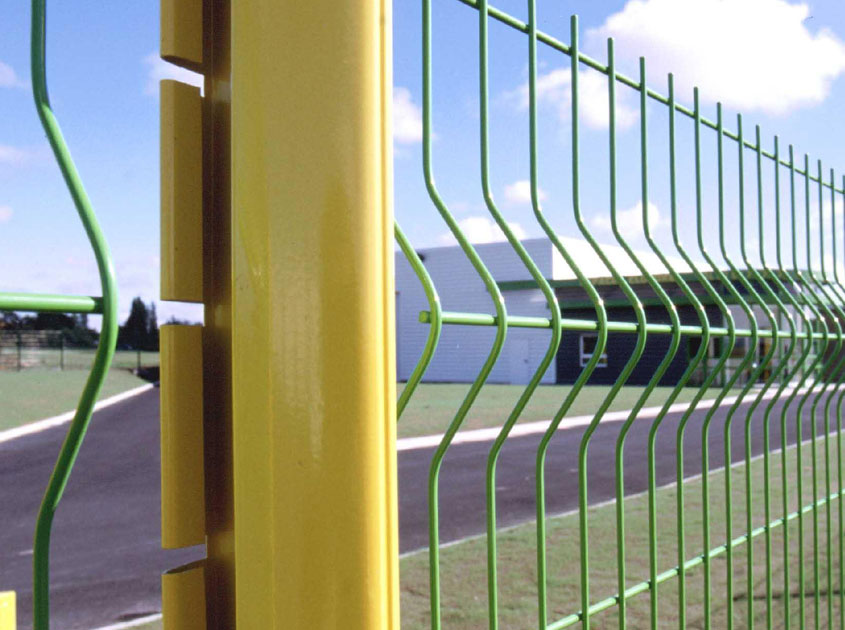
Welded Wire Fence Types, Sizes and Applications Guide
Pulished on Aug. 20, 2026
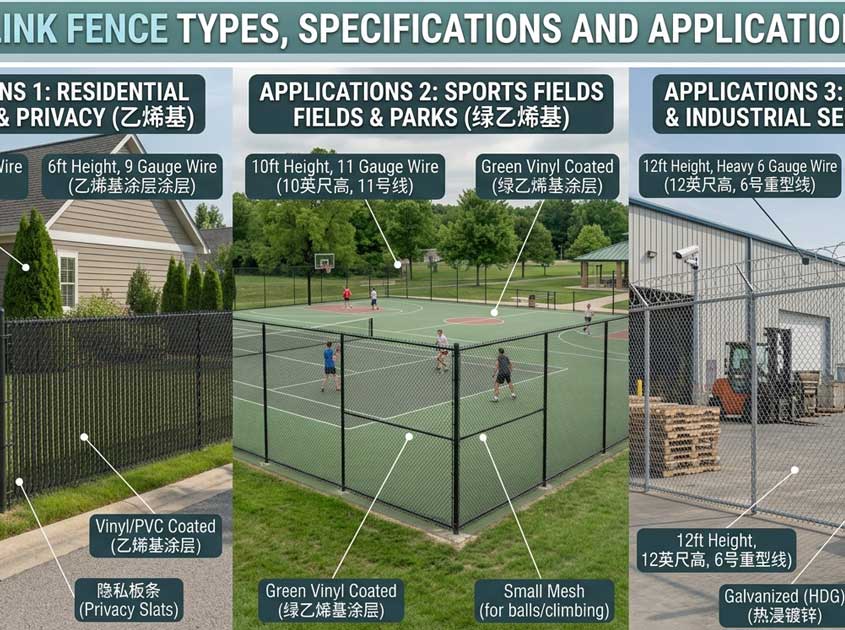
Chain Link Fence Types, Specifications and Applications Guide
Pulished on Aug. 12, 2026
How to Choose Farm Fence for Cattle and Horses: Wire, Height and Design Guide
Pulished on Sep. 23, 2026
How Is Chain Link Fence Made? Manufacturing Process and Components
Pulished on Sep. 18, 2026
358 Security Fence vs Chain Link Fence: Security, Cost and Application Comparison
Pulished on Sep. 15, 2026
Why Choose Welded Wire Fence for Security and Protection?
Pulished on Sep. 07, 2026
358 Security Fence Specifications and Applications Guide
Pulished on Aug. 27, 2026
What Is Farm Fence and What Are the Main Types?
Pulished on Aug. 26, 2026
Welded Wire Fence Types, Sizes and Applications Guide
Pulished on Aug. 20, 2026
Chain Link Fence Types, Specifications and Applications Guide
Pulished on Aug. 12, 2026